


Architectural Wonders
- Home
- Architectural Wonders
Overview
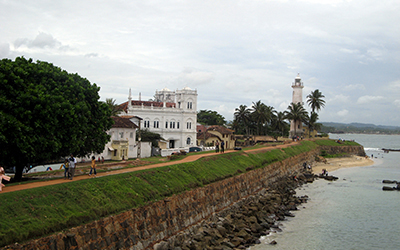
Encircled by stone ramparts overlooking the Indian Ocean, Galle Fort is Sri Lanka’s best-preserved colonial city and a UNESCO World Heritage Site. Originally fortified by the Portuguese in the 16th century and later expanded by the Dutch, it is a living monument where European architecture blends seamlessly with South Asian culture.
Why Visit
For the discerning traveler, Galle Fort offers a richly layered experience, historic streets, elegant colonial buildings, art galleries and refined dining, all set within a dramatic seaside setting.
Highlights
• Walk along the UNESCO-listed ramparts at sunset
• Explore Dutch-era churches, museums and residences
• Discover boutique shops, galleries and cafés
• Visit the iconic Galle Lighthouse
• Experience a vibrant blend of history and modern life
Best Time
Late afternoon to early evening, when cooler temperatures and golden light enhance the fort’s atmosphere.
How to Experience
Explore on foot with a private historian guide to uncover hidden courtyards and lesser-known stories. End the day with sunset views from the ramparts followed by fine dining within the fort.
Practical Information
• Location: Southern Province, Galle
• Duration: Half-day recommended
• Travel Tip: Comfortable walking shoes are essential on cobblestone streets
• Dress Code: Light attire; modest dress when visiting churches
At a Glance
• Heritage Status: UNESCO World Heritage Site
• Experience: Colonial history, architecture, seaside walks
• Recommended Duration: 3–4 hours
• Ideal Pairings: Unawatuna, Black FortOverview
Hidden deep within the forested outskirts of the Cultural Triangle, Kaludiya Pokuna is a secluded monastic complex dating back over two millennia. Named for its dark, reflective waters, this tranquil site blends ancient engineering with untouched wilderness.
Why Visit
Kaludiya Pokuna offers a rare sense of discovery and solitude. For culturally curious travelers, it provides an intimate glimpse into early Buddhist monastic life, far removed from crowds and commercial routes.
Highlights
• Explore ancient cave dwellings and meditation cells
• Visit the mysterious black-water pond framed by forest
• Discover stone inscriptions and early Brahmi scripts
• Experience profound silence amid dense jungle surroundings
• Observe birdlife and endemic flora
Best Time
Early morning or late afternoon for cooler temperatures and a serene atmosphere.
How to Experience
Explore with a knowledgeable guide who can interpret the inscriptions and layout of the monastery. Combine with a visit to nearby Cultural Triangle sites for a contrasting, off-the-beaten-path experience.
Practical Information
• Location: Near Dambulla, Central Province
• Duration: 1–2 hours recommended
• Travel Tip: Wear sturdy footwear — forest paths can be uneven
• Dress Code: Modest attire suitable for sacred sites
At a Glance
• Experience: Ancient monastic ruins, nature immersion
• Recommended Duration: 1–2 hours
• Ideal Pairings: Dambulla Cave Temple, Sigiriya
Overview
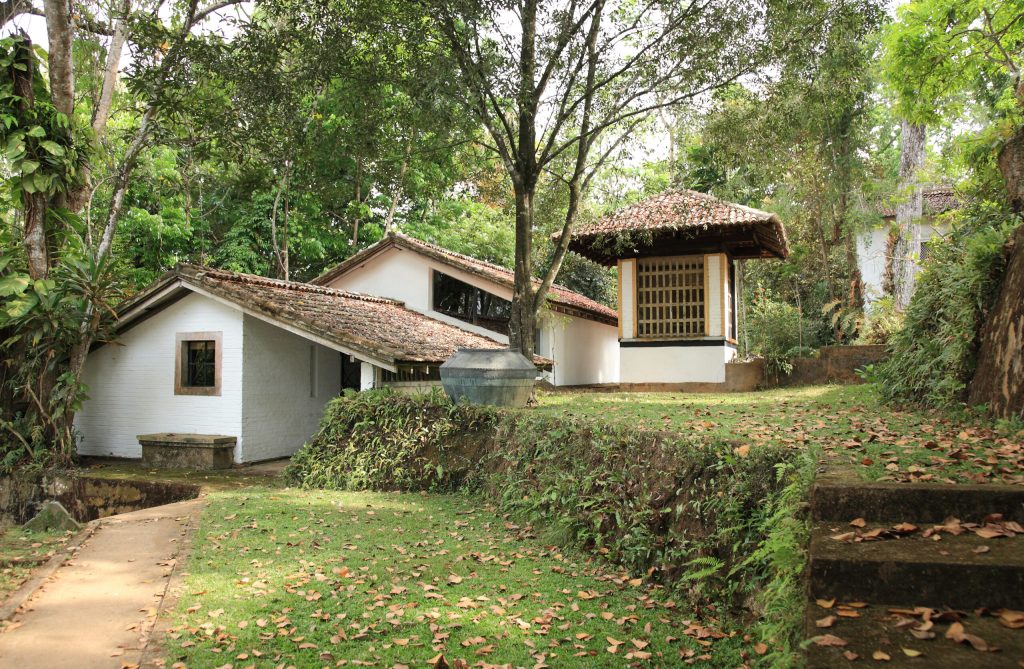
Lunuganga is the former country estate of renowned Sri Lankan architect Geoffrey Bawa, transformed into a masterpiece of tropical landscape design. Set beside Dedduwa Lake near Bentota, it is a living work of art shaped over five decades.
Why Visit
Lunuganga offers a rare insight into Bawa’s philosophy, where architecture, nature and light exist in perfect harmony, an essential pilgrimage for design and architecture enthusiasts.
Highlights
• Guided walks through sculpted gardens and vistas
• Panoramic views across lake and countryside
• Elegant garden rooms and outdoor pavilions
• Insight into Geoffrey Bawa’s architectural legacy
• Seasonal flowers and evolving landscapes
Best Time
Morning or late afternoon for cooler temperatures and optimal light.
How to Experience
Join a guided tour to fully appreciate the estate’s intentional sightlines and spatial drama. Combine with a visit to Bawa’s nearby Brief Garden for a complete architectural journey.
Practical Information
• Location: Near Bentota, Southern Province
• Duration: 1.5–2 hours recommended
• Travel Tip: Advance booking is required for guided visits
• Dress Code: Smart-casual, comfortable footwear
At a Glance
• Experience: Landscape architecture, design heritage
• Recommended Duration: 2 hours
• Ideal Pairings: Bentota, Brief Garden, Boat ride
Overview
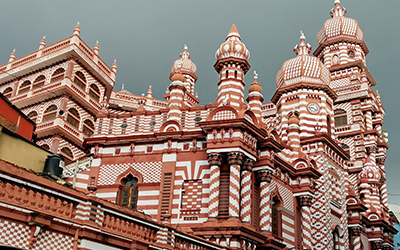
Rising boldly amid the bustling streets of Colombo’s Pettah district, the Jaami-ul Alfar Mosque, commonly known as the Red Mosque is one of Sri Lanka’s most striking architectural landmarks. Built in 1908, its red-and-white façade blends Indo-Saracenic and Gothic influences.
Why Visit
The mosque offers a powerful contrast to its surroundings, a serene spiritual space set within the vibrant chaos of Colombo’s commercial heart.
Highlights
• Distinctive red-and-white striped exterior
• Intricate arches, minarets and domes
• Active place of worship with deep community roots
• Exceptional photography opportunities
• Immersion into Colombo’s multicultural heritage
Best Time
Mid-morning or late afternoon, outside prayer times.
How to Experience
Visit respectfully with a local guide to understand the mosque’s history and architectural symbolism. Explore nearby Pettah markets afterward for a complete cultural immersion.
Practical Information
• Location: Pettah, Colombo
• Duration: 30–45 minutes recommended
• Travel Tip: Non-Muslims are permitted outside prayer times
• Dress Code: Modest attire; head covering required
At a Glance
• Experience: Religious architecture, urban culture
• Recommended Duration: Under 1 hour
• Ideal Pairings: Pettah markets, Colombo heritage walk
Overview
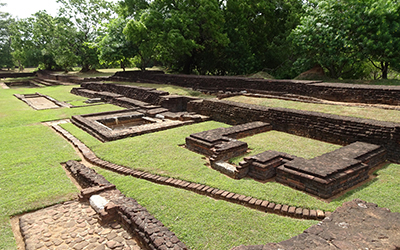
At the base of the iconic Sigiriya Rock lies one of Asia’s oldest landscaped gardens, a sophisticated fusion of nature, geometry and hydraulic engineering dating back to the 5th century.
Why Visit
The gardens reveal the refined aesthetic vision behind Sigiriya, offering insight into ancient landscape design that predates many Western garden traditions.
Highlights
• Symmetrical water gardens with ancient fountains
• Boulder gardens integrated into natural terrain
• Terraced gardens ascending the rock base
• Advanced hydraulic systems still functional today
• Scenic views of Sigiriya Rock from below
Best Time
Early morning or late afternoon for soft light and cooler temperatures.
How to Experience
Explore slowly before or after the rock climb, accompanied by a guide who can explain the symbolic and engineering significance of each garden level.
Practical Information
• Location: Sigiriya, Central Province
• Duration: 1–1.5 hours recommended
• Travel Tip: Visit early to experience functioning fountains in season
• Dress Code: Comfortable walking attire
At a Glance
• Experience: Ancient landscape design, archaeology
• Recommended Duration: 1–1.5 hours
• Ideal Pairings: Sigiriya Rock Fortress, Pidurangala
Overview
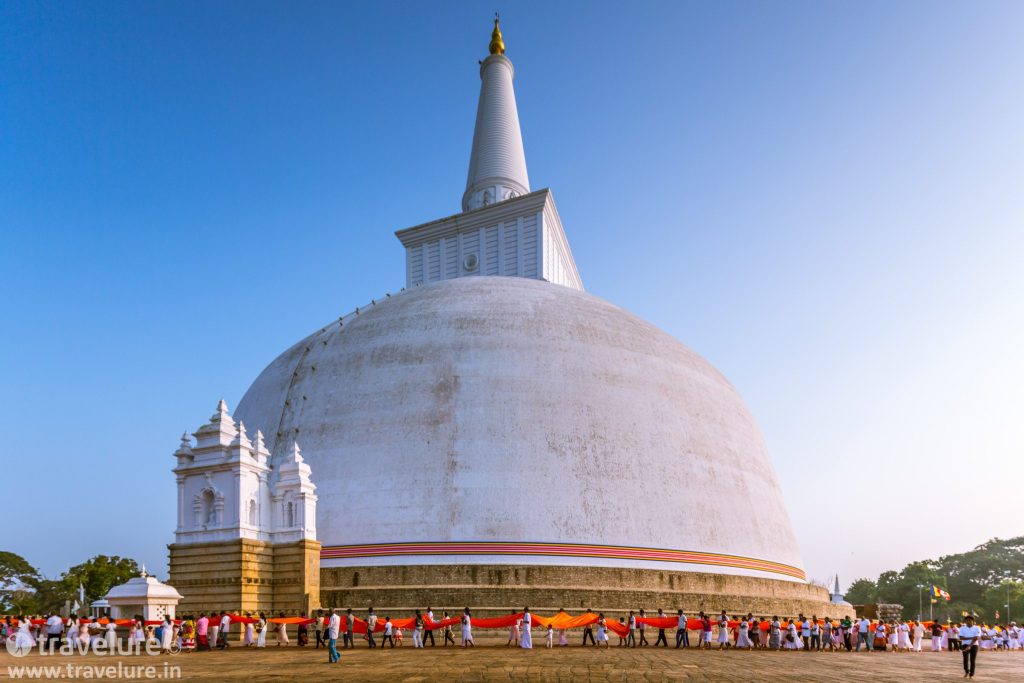
Ruwanwelisaya is one of the most sacred Buddhist stupas in Sri Lanka, revered for its pure white dome and profound spiritual significance. Built in the 2nd century BCE by King Dutugemunu, it stands as a symbol of devotion, unity and faith.
Why Visit
For spiritual travelers, Ruwanwelisaya offers a deeply moving experience. A place of pilgrimage, prayer and timeless serenity.
Highlights
• Iconic white hemispherical stupa
• Sacred relics enshrined within
• Stone elephant frieze encircling the base
• Continuous offerings and rituals
• Powerful atmosphere at dusk
Best Time
Early morning or evening for cooler temperatures and active worship.
How to Experience
Walk clockwise around the stupa in quiet reflection, observing devotees at prayer. A knowledgeable guide can explain Buddhist symbolism and historical context.
Practical Information
• Location: Anuradhapura, North Central Province
• Duration: 1–2 hours recommended
• Travel Tip: Visit barefoot as a sign of respect
• Dress Code: Modest attire covering shoulders and knees
At a Glance
• Heritage Status: UNESCO World Heritage Site (Anuradhapura)
• Experience: Sacred pilgrimage, Buddhist heritage
• Recommended Duration: 1–2 hours
• Ideal Pairings: Sri Maha Bodhi, Anuradhapura ruins
Overview
Seema Malakaya is a floating meditation pavilion on Colombo’s Beira Lake, designed by renowned architect Geoffrey Bawa. Minimalist and serene, it offers a contemplative refuge amid the city’s urban rhythm.
Why Visit
Seema Malakaya represents the harmony of modern architecture and ancient Buddhist philosophy, a tranquil space for reflection in the heart of Colombo.
Highlights
• Striking modern Buddhist architecture
• Floating pavilions connected by wooden walkways
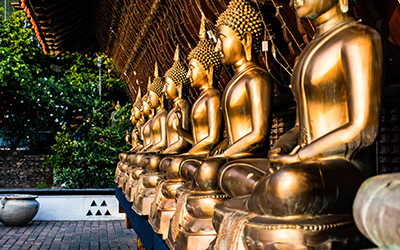
• Sculptural Buddha statues and ritual spaces
• Reflections across Beira Lake
• Quiet escape from the city’s bustle
Best Time
Early morning or late afternoon for calm light and cooler air.
How to Experience
Visit during quieter hours to fully appreciate the space’s stillness. Pair with a walk around Beira Lake or a visit to nearby Gangaramaya Temple.
Practical Information
• Location: Colombo
• Duration: 45–60 minutes recommended
• Travel Tip: Photography is permitted, but silence is encouraged
• Dress Code: Modest attire
At a Glance
• Experience: Contemporary sacred architecture, meditation
• Recommended Duration: 1 hour
• Ideal Pairings: Gangaramaya Temple, Colombo city tour
Explore Timeless Architecture
Journey through ancient stupas, rock fortresses, and colonial-era masterpieces across the island.