


Culinary Delights
- Home
- Culinary Delights
Overview
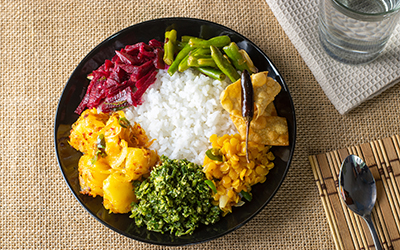
Rice and curry is the cornerstone of Sri Lankan cuisine, a colorful and aromatic ensemble that embodies the island’s rich culinary heritage. Served with an array of vegetable, meat and fish accompaniments, it balances spice, texture and flavor in perfect harmony.
Why you should try
For any food-loving traveler, rice and curry provides a genuine taste of Sri Lanka, a daily ritual transformed into a vibrant dining experience that connects culture, history and home cooking.
Highlights
• Steamed or red/raw rice served with multiple curries
• Variety of vegetarian and non-vegetarian accompaniments
• Flavorful sambols, pickles and chutneys
• Use of fresh spices and locally sourced ingredients
• Opportunity to sample regional variations across the island
Best Time
Lunch or dinner; early in the evening for a relaxed, family-style meal.
How to Experience
Enjoy at a local home, heritage guesthouse, or boutique restaurant. Pair with a guided culinary tour to learn the stories behind each spice and preparation technique.
Practical Information
• Locations: Widely available across Sri Lanka
• Duration: 1–2 hours recommended
• Travel Tip: Start mild and build up to spicier curries to suit your palate
• Dress Code: Casual dining attire
At a Glance
• Experience: Traditional Sri Lankan flavors, home-style cooking
• Recommended Duration: 1–2 hours
• Ideal Pairings: Street food exploration, seafood feasts
Overview
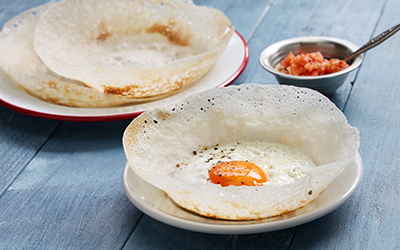
Hoppers,or appa, are bowl-shaped pancakes made from fermented rice flour and coconut milk. Crispy on the edges and soft in the center, they can be served plain, with eggs, or as sweet versions with jaggery and coconut.
Why you should try
Hoppers are a staple of Sri Lankan breakfasts and evening snacks, offering a uniquely textural experience, crunchy, soft and flavorful all at once.
Highlights
• Plain hoppers for a light snack
• Egg hoppers with perfectly cooked yolks
• Sweet hoppers with jaggery, honey or coconut
• Street-side vendors and specialty eateries
• Accompanied by coconut chutney or spicy sambols
Best Time
Morning or late evening for authentic local flavor.
How to Experience
Order from a bustling street vendor or a boutique café specializing in hoppers. Pair with freshly brewed Ceylon tea or toddy for an immersive local experience.
Practical Information
• Locations: Island-wide
• Duration: 30–60 minutes recommended
• Travel Tip: Try both savory and sweet varieties to fully appreciate the dish
• Dress Code: Casual, comfortable attire
At a Glance
• Experience: Traditional breakfast, street-side snack culture
• Recommended Duration: 30–60 minutes
• Ideal Pairings: Short eats, Ceylon tea
Overview
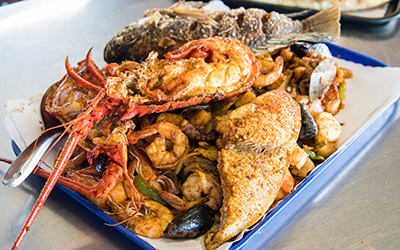
Sri Lanka’s coastline is a paradise for seafood lovers. From freshly caught prawns to grilled reef fish, crab and lobster, a beachside feast combines flavors of the sea with tropical ambiance.
Why you should try
Dining on the sand, with the sound of waves and the smell of salt air, transforms a meal into a full sensory experience, a true celebration of Sri Lanka’s coastal bounty.
Highlights
• Freshly grilled fish, prawns and crab
• Coconut sambols, lemon dips and spicy sauces
• Sunset views enhancing the dining experience
• Open-air seating and casual island charm
• Often accompanied by local rums or tropical juices
Best Time
Late afternoon or sunset for optimal atmosphere and cooler temperatures.
How to Experience
Choose a reputable beachside restaurant or private setup with fresh catch-of-the-day. Opt for a shared-style meal for variety and social dining.
Practical Information
• Locations: Entire coastal region
• Duration: 1.5–2 hours recommended
• Travel Tip: Reserve in advance during peak season for sunset spots
• Dress Code: Casual beachwear
At a Glance
• Experience: Coastal cuisine, sunset dining, seafood variety
• Recommended Duration: 1.5–2 hours
• Ideal Pairings: Traditional rice and curry, tropical cocktails
Overview
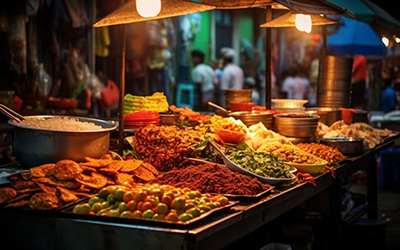
Sri Lankan street food is an energetic, flavorful journey through the country’s culinary diversity. From fried snacks to savory pancakes, it reflects the ingenuity and spice-loving culture of local communities.
Why you should try
Street food captures the pulse of everyday Sri Lankan life. Quick, bold and satisfying, perfect for curious travelers eager to taste the island’s authentic flavors.
Highlights
• Fried short eats: isso vadai (prawn fritters), fish cutlets, samosas
• Sweet treats: kithul treacle, coconut pancakes
• Local beverages: king coconut, herbal drinks, fresh fruit juices
• Dynamic, bustling markets and vendor stalls
• Vibrant spices and textures
Best Time
Late afternoon to early evening when street vendors are busiest.
How to Experience
Walk through local markets or food streets with a guide who can explain each dish. Sample multiple items for a complete culinary panorama.
Practical Information
• Locations: Colombo, Kandy, Galle, Jaffna
• Duration: 1–2 hours recommended
• Travel Tip: Bring hand sanitizer and start with milder options if sensitive to spice
• Dress Code: Casual, comfortable clothing
At a Glance
• Experience: Street food, snacks, local flavors
• Recommended Duration: 1–2 hours
• Ideal Pairings: Hoppers, kottu rotti
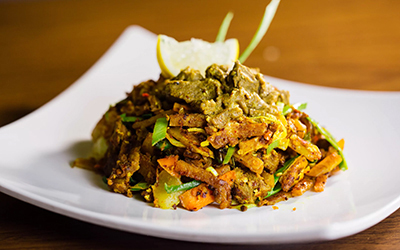
Overview
Kottu Rotti is a beloved Sri Lankan street dish made from chopped roti, vegetables, eggs and meats, stir-fried on a large iron griddle. Its rhythmic chopping sound is as iconic as its spicy, savory flavor.
Why you should try
Kottu is both performance and cuisine, watching it being made is almost as satisfying as tasting it. It is a must-try for adventurous food lovers seeking comfort food with a local twist.
Highlights
• Stir-fried chopped roti with curry leaves and spices
• Options with chicken, beef, seafood, or vegetables
• Crispy edges and flavorful, soft interior
• Vibrant night-market and street-side ambiance
• Often enjoyed with a cold beverage or King Coconut
Best Time
Evening or late night when street-side stalls are lively.
How to Experience
Watch a skilled vendor prepare kottu on the sizzling griddle before enjoying it fresh and hot. Pair with a local beverage for the full street-food experience.
Practical Information
• Locations: Island-wide. Popular in Colombo, Negombo, Jaffna, Galle
• Duration: 30–60 minutes recommended
• Travel Tip: Spice levels can vary — request mild if preferred
• Dress Code: Casual streetwear
At a Glance
• Experience: Street food performance, spicy comfort food
• Recommended Duration: 30–60 minutes
• Ideal Pairings: Typical street food, hoppers, local ginger beer
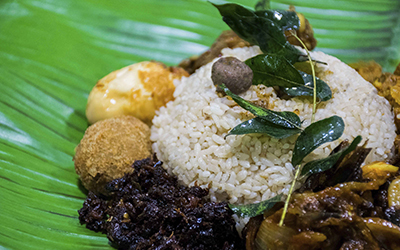
Overview
Lamprais is a unique Dutch Burgher-influenced dish, combining rice, meat, vegetables and sambols, all baked in a banana leaf for aromatic infusion. It is a culinary heritage of Sri Lanka’s colonial past.
Why you should try
Lamprais offers both history and flavor in a single dish. Complex, hearty and deeply aromatic, reflecting centuries of cultural fusion.
Highlights
• Banana leaf-wrapped rice parcels with spiced meat
• Served with sambols, fried eggplant and condiments
• Fusion of European and Sri Lankan flavors
• Slow-cooked richness and aromatic depth
• Often prepared for special occasions or festive meals
Best Time
Lunch or early evening for traditional servings in heritage restaurants.
How to Experience
Enjoy at a boutique heritage restaurant or local Burgher eatery. Pair with light beverages to appreciate the full aromatic profile.
Practical Information
• Locations: Colombo, Galle, Kandy, Jaffna
• Duration: 1–1.5 hours recommended
• Travel Tip: Lamprais is best enjoyed freshly prepared; avoid reheated versions
• Dress Code: Casual dining attire
At a Glance
• Experience: Culinary heritage, aromatic fusion
• Recommended Duration: 1–1.5 hours
• Ideal Pairings: Plain tea, Sri Lankan street food
Taste Sri Lanka
Experience the island through its bold flavors, from street food favorites to authentic local dishes.